Bitcoin Defends 50‑Week and 100‑Week Moving Averages, Holding Near $85,500 Demand Zone
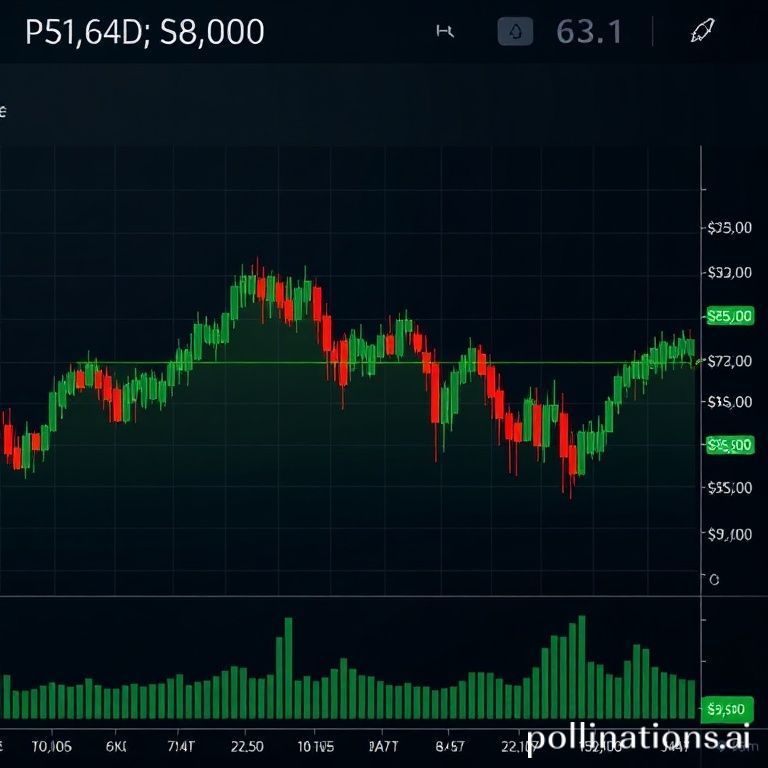
Bitcoin has defended its 50‑week and 100‑week moving averages and is trading near $85,500 within the $84,000–$85,000 demand zone. Analysts see sub‑$80,000 as a potential accumulation area for long‑term investors, while a decisive break below the 100‑week average would raise the risk of a deeper correction.
Bitcoin has shown notable resilience after recent market volatility by successfully defending its 50‑week and 100‑week moving averages as key support levels. Currently trading close to $85,500, Bitcoin remains anchored within the critical demand zone around $84,000–$85,000. These zones and moving averages are being watched closely by traders and long‑term investors as potential markers for both risk management and accumulation.
From a technical perspective, the 50‑week moving average served as the initial support level that prevented a deeper pullback, while the 100‑week moving average provided a longer‑term structural floor. When price action respects these weekly averages, it signals that broader bullish trends may still be intact, even amid short‑term corrective pressure. Traders often view a confirmed hold above weekly moving averages as an opportunity to reassess exposure and consider re‑entries.
Analysts observing the market point to the area below $80,000 as a potential buying opportunity for long‑term holders if price dips into that zone. This view is rooted in the idea that corrections to significant moving averages and demand zones can present more favorable risk‑reward ratios for investors with a multi‑year horizon. Risk‑averse participants should still deploy position sizing and staggered entries rather than concentrating capital at a single price level.
Immediate short‑term resistance levels that traders are monitoring include recent swing highs and intraday supply zones above the current price. A sustained break above these resistances would relieve short‑term selling pressure and could pave the way for renewed upside momentum. Conversely, a breakdown beneath the 100‑week moving average would raise concerns about losing the long‑term trend support and could invite deeper declines toward lower structural support zones.
Market participants should also consider on‑chain indicators and liquidity dynamics when interpreting price behavior around these weekly averages. Liquidity gaps, order book depth, and larger sell or buy walls can accelerate moves once key levels are tested. Combining technical weekly analysis with on‑chain context and macro sentiment offers a more comprehensive framework for decision making.
Key takeaways: Bitcoin remains supported by its 50‑week and 100‑week moving averages near the $84,000–$85,000 demand zone, trading around $85,500. Analysts identify sub‑$80,000 levels as attractive accumulation zones for long‑term investors, but prudent risk management is advised. Watch for confirmations: a clear rejection at support reinforces the bullish structural view, while a decisive break below the 100‑week average may signal a deeper correction. Traders should use position sizing, staggered entries, and monitoring of on‑chain liquidity to navigate the current environment.
Overall, this consolidation and defense of long‑term moving averages suggest steadiness in the market structure, giving market participants concrete levels to monitor for both entries and exits. Whether you are a short‑term trader or a long‑term investor, the interplay between weekly averages and demand zones provides actionable context for planning trades and managing exposure.
Click to trade with discounted fees