Market Analysis: Key Crypto Trends, Resistance and Support Levels
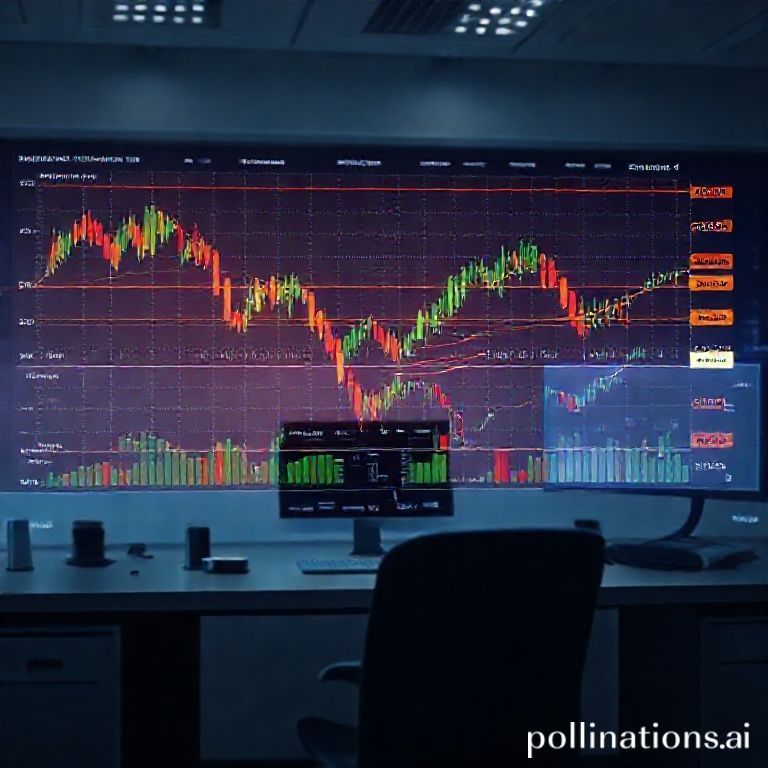
A tactical market analysis outlining how to identify and validate support and resistance levels, combine indicators for confirmation, and prepare scenario-based plans to manage risk in volatile crypto markets.
In this comprehensive market analysis, we examine the prevailing crypto trends, identify critical resistance and support levels, and outline potential scenarios for traders and investors. The goal is to provide a structured view that helps market participants make informed decisions amid ongoing volatility.
Trend context: Over recent weeks, major digital assets have shown mixed momentum. While some tokens continue to follow bullish macro trends driven by institutional inflows and positive regulatory signals, others remain range-bound as market participants await clearer catalysts. Recognizing the broader trend — whether bullish, bearish, or sideways — is fundamental because it sets the context for how significant support and resistance levels should be interpreted.
Support levels: Support areas represent price zones where demand historically exceeds supply, causing prices to stabilize or reverse upward. Traders should pay attention to multi-timeframe supports: daily and weekly levels tend to carry more weight than intraday zones. Monitoring volume spikes near these zones is crucial; rising volume on tests of support often confirms buyer conviction. For risk management, placing stop-loss orders below confirmed support levels can limit downside exposure.
Resistance levels: Resistance zones are price points where selling pressure has previously overwhelmed buyers, capping upward moves. Breaks above strong resistance, especially on increased volume, can indicate a trend continuation or the start of a new bullish leg. Conversely, repeated failures to breach resistance may signal weakening momentum. Watch for confluences — such as moving averages, Fibonacci retracements, and prior swing highs — which create stronger resistance clusters.
Volume and momentum indicators: Combining price action with indicators like the Relative Strength Index (RSI), Moving Average Convergence Divergence (MACD), and on-balance volume (OBV) can help validate potential reversals. Divergences between price and momentum indicators often precede significant moves and are particularly valuable when observed near major support or resistance levels.
News and market reaction: Fundamental news events remain potent drivers. Announcements from major platforms such as Company Binance or Company Coinbase can quickly shift sentiment and liquidity. Traders should be prepared for rapid repricing around regulatory updates, macroeconomic releases, or large exchange-related developments. Using position sizing and staggered entries can mitigate the risk of trading during high-impact news cycles.
Scenario planning: A practical approach is to define multiple scenarios: (1) a bullish breakout above resistance with confirmation on volume, (2) a failure at resistance leading to a retest of support, and (3) a breakdown below support signaling a deeper correction. For each scenario, set clear entry, target, and exit rules to avoid emotional decision-making.
Risk management and psychology: Emphasize capital preservation. Use clear stop-losses, avoid overleveraging, and maintain a trading checklist. Emotional discipline is often the differentiator between consistent traders and those who underperform.
Conclusion: Identifying and validating support and resistance levels in combination with trend analysis, volume, and key indicators provides a robust framework for navigating crypto markets. Stay attentive to news from major companies and exchanges, adapt position sizing during volatile periods, and follow predefined scenarios to manage risk effectively.
Click to trade with discounted fees