European Startups: The Surprising Reality Behind the Energy – Data Reveals Slow Recovery
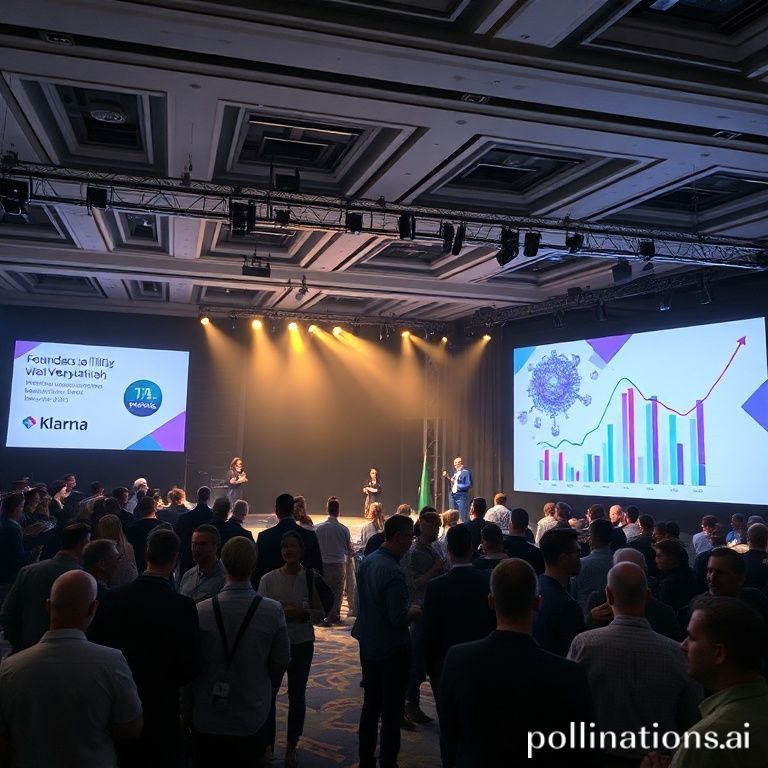
Although conference energy across Europe is high, data through Q3 2025 reveals a slow recovery: €43.7B invested across 7,743 deals, but only €8.3B raised by European VC firms. AI startups and major exits like Company Klarna provide optimism, while limited partner caution and a fundraising drought remain the main constraints.
The energy at Helsinki's Slush and across European tech hubs belies a more cautious reality on the funding front. While conference halls are full of optimism, the data shows a region that is recovering more slowly than its public enthusiasm suggests. Through Q3 2025, investors funneled €43.7 billion into European startups across 7,743 deals, a sizable total but one that only places Europe on track to match — not exceed — the investment levels of 2023 and 2024.
The contrast with the United States is stark: the U.S. has already surpassed prior-year deal volume by the third quarter of 2025. At the heart of the concern is a pronounced slowdown in European VC firm fundraising: through Q3 2025 European VC firms raised only €8.3 billion, putting the region on track for its weakest annual fundraising total in a decade. Ms. Navina Rajan, senior analyst at Company PitchBook, warns that fundraising from limited partners to general partners is the most fragile element in the ecosystem, estimating a 50-60% decline in the first nine months of 2025 compared with previous years.
Three structural problems emerge from the data: emerging managers are capturing a disproportionate share of capital; mega-fund closings that bolstered 2024 have not repeated in 2025; and limited partner confidence remains cautious. In other words, while deal activity persists, the capital base that fuels long-term growth is thinner and more risk-averse than it was a few years ago.
Yet there are clear bright spots: European AI startups are attracting significant global attention and capital. Company Mistral, the French AI research lab, closed a headline-grabbing €1.7 billion Series C featuring prominent backers such as Company Andreessen Horowitz and Company Nvidia. Another example is Swedish vibe-coding startup Company Lovable, which announced a $330 million Series B led by U.S.-based investors including Company Salesforce Ventures and Company CapitalG. These deals demonstrate that world-class innovation can be found in Europe and that U.S. investors are willing to back it when valuations and entry opportunities are attractive.
The public exit of Company Klarna in September — after raising roughly $6.2 billion in private markets over two decades — could be a watershed moment. Successful exits recycle capital, validate local ecosystems and provide a proof point that European startups can scale to global prominence. Company Klarna’s IPO also serves as an inspirational blueprint for founders who are increasingly thinking globally from day one.
Mr. Victor Englesson, a partner at Company EQT, stresses long-term commitment despite the short-term drought: Company EQT has invested roughly $120 billion in Europe over the past five years and intends to invest $250 billion over the next five. That institutional conviction matters: it signals that some of the largest managers remain committed to the region through cycles.
Looking forward, several factors could catalyze a recovery: rising U.S. investor participation in European deals (which reached 19% in 2023 and has climbed since), continued marquee AI financings, and a new generation of founders whose ambitions are global. Nevertheless, the VC fundraising drought — a shallow pool of LP commitments — is a real headwind that could compress follow-on rounds, delay exits and slow scaling trajectories for many companies.
In short, Europe’s startup scene remains resilient but uneven: robust deal-making persists in pockets, particularly in AI and deep tech, while the capital structures that underpin repeatable, large-scale growth are constrained. For founders, policymakers and investors, the near-term task is clear: rebuild LP confidence, incentivize larger fund formations and amplify successful exits so that capital can recycle and multiply across the ecosystem. If those levers are pulled, the energy seen in conference halls could finally align with the data and deliver a sustained recovery.
Click to trade with discounted fees