Metals Market 2025: AI and Energy Transition Drive a Broad Rally as Supply Shocks Bite
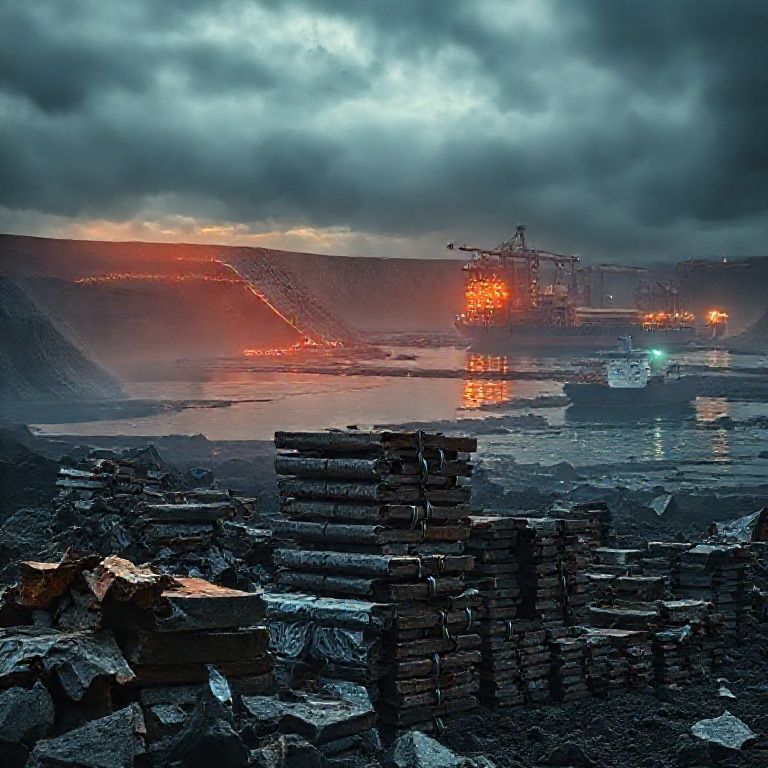
AI expansion and the energy transition propelled a broad 2025 rally across metals—copper, lithium, aluminum, and steel—while mine outages, policy shocks, and tariffs tightened supply and amplified volatility.
The metals market in 2025 has experienced a remarkable multi-metal rally, led by gold and silver but matched closely by industrial metals such as copper, lithium, aluminum, and steel. Year-to-date gains illustrate the strength of demand: copper is up more than 34%, steel 27%, aluminum 14%, and lithium about 30%. This price move is being driven by sustained real demand from the AI build-out and the global energy transition, rather than by short-term fear buying.
Mr. Jim Wiederhold, commodity index product manager at Company Bloomberg, captured the macro narrative: "the world is moving from a fossil-fueled economy to one powered by technologies consisting of metals. The future is metal." That framing helps explain why a range of metals—each essential to modern technology stacks—are rising in tandem as companies expand data centers, electrify transport, and build storage systems.
At the same time, the supply side has seen a string of disruptive events that intensified market tightness. Flooding at Company Ivanhoe's Kamoa-Kakula operation in the Democratic Republic of Congo temporarily shut one of the largest copper producers. A subsequent tunnel collapse in Chile and a mudslide affecting Company Freeport-McMoRan's Grasberg complex in Indonesia curtailed further production. In lithium, traders felt the impact when the Chinese government paused output at a major Company CATL mining site, tightening an already constrained market.
Geopolitics and trade policy added volatility. When Mr. Donald Trump approved 50% tariffs on steel and aluminum imports, markets reacted immediately: some copper-intensive goods faced higher costs, and traders rushed to relocate inventory into U.S. warehouses—prompting spikes in physical movement requests. Clarifications that raw ore would be exempt cooled the initial shock, but the episode amplified supply anxiety.
Institutional strategists flagged the behavior. Company LPL Financial's chief technical strategist, Mr. Adam Turnquist, noted rising requests to pull copper from LME warehouses that "exacerbated fears over a global supply shortage." Meanwhile, trading desks boosted physical positions: Company Bloomberg's Ms. Jigna Gibb said desks are increasing allocation to energy and industrial metals because "you see a lot more positioning" where energy intensity is high.
Producers are responding with capacity plans and regional expansions. Company Glencore is preparing to lift copper production from 850 kt in 2025 to 1,000 kt by 2028 and 1,600 kt by 2035, according to research from Company Jefferies. Indonesian aluminum smelters are expanding refining capacity to meet fast-moving demand in Southeast Asia. Still, energy costs—exacerbated by the Ukraine war and soaring electricity demand from AI—are squeezing margins for energy-intensive aluminum and steel producers. Company ING Bank warned China may be nearing an aluminum cap, limiting how much incremental supply Beijing can add.
In summary, the 2025 metals story is a powerful mix of structural demand from AI deployment and clean energy transition, paired with a sequence of supply disruptions and policy shocks that have amplified price moves. Markets will likely remain sensitive to new mining incidents, policy shifts, and grid/energy developments as electrification and AI continue to expand. For investors and industrial buyers, the key takeaway is that metals are now central inputs to technological infrastructure—and shortages or policy changes can rapidly reshape price dynamics.
Click to trade with discounted fees