Swing Traders Await Breakout Past Key Resistances to Confirm Uptrend
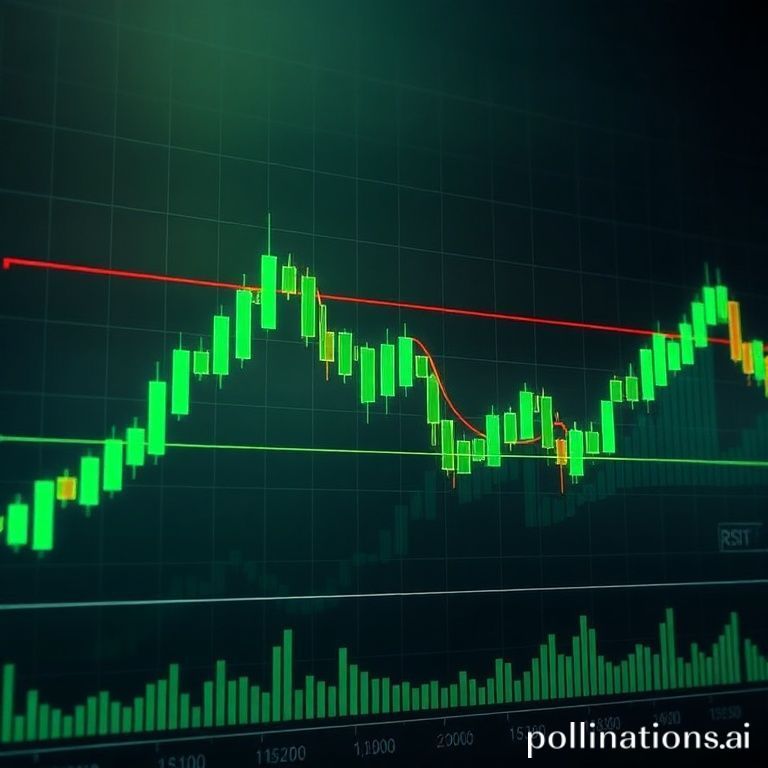
Despite recent gains, swing traders require a decisive breakout past key resistances—confirmed by volume and multi-timeframe signals—before committing to an uptrend bias.
Recent price gains have attracted attention across crypto markets, but many swing traders remain cautious. While short-term momentum can lift prices, traders are looking for a decisive breakout beyond well-defined key resistances before committing to directional positions. Without such confirmation, the risk of a reversal or range-bound action remains elevated.
In practice, a true uptrend for swing trading requires more than a single bullish candle or a parabolic spike. Traders typically want to see price clear horizontal resistance levels on strong volume, close above critical moving averages, and show follow-through over multiple sessions. These elements act as independent confirmations that institutional or larger retail participants are supporting the move, rather than a transient liquidity grab.
Identifying the relevant resistance zones involves a combination of price-action analysis and technical indicators. Horizontal highs from previous swing tops, confluence with the 50- and 200-period moving averages, and resistance shown on higher timeframes are especially meaningful. Momentum indicators such as the RSI or MACD can help validate whether the breakout is sustainable or overextended.
Volume is one of the most reliable validators of a breakout. A breakout lacking a significant increase in trading volume often leads to false breakouts, where price quickly retracts below resistance. Conversely, a breakout on expanding volume suggests genuine participation and increases the probability of a sustained trend. Swing traders will often compare volume on the breakout candle to average volume across recent sessions to gauge conviction.
Risk management remains central. Even after a confirmed breakout, traders set protective stop-loss levels under recent support or below the breakout retest to limit downside. Position sizing should reflect the distance to stop-loss and the trader's risk tolerance, ensuring that a single failed breakout does not materially harm the account. Additionally, scaling into positions on successful retests of the broken resistance—now acting as support—can improve risk-reward profiles.
Timeframe alignment is also crucial. A breakout that looks decisive on a 4-hour chart but fails to hold on a daily chart may not satisfy swing traders with multi-day horizons. For many swing strategies, confirmation on the daily timeframe or aligned signals across multiple timeframes provides stronger evidence for an enduring trend.
Finally, macro and on-chain context can influence breakout validity. Broader market sentiment, liquidity conditions, and relevant news flow can either fuel or undermine technical breakouts. Swing traders should remain aware of scheduled events or sentiment shifts that could amplify volatility and lead to whipsaws.
In summary, while recent gains are encouraging, swing traders are waiting for a clear and confirmed breakout past key resistances—backed by volume, multi-timeframe confirmation, and sound risk management—before concluding that an uptrend is underway. Until those conditions are met, many will prefer to watch and prepare rather than aggressively buy into uncertainty.
Click to trade with discounted fees