Crypto Market Trends: Key Support and Resistance Levels to Watch
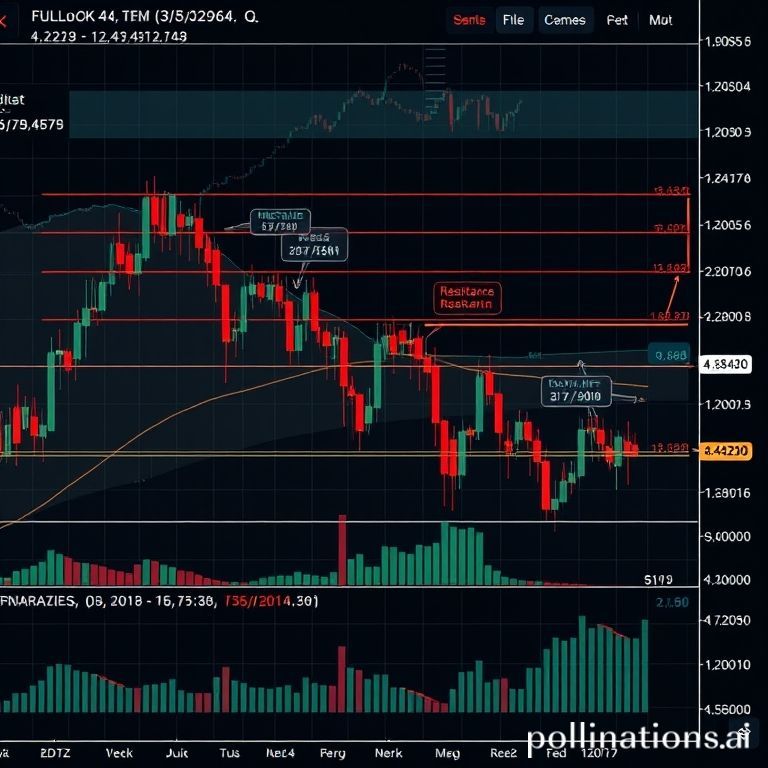
A comprehensive technical and on-chain oriented analysis focused on support and resistance clusters, momentum confirmation, and practical risk management to navigate current cryptocurrency market volatility.
In this analysis, we examine the current cryptocurrency market structure, focusing on the most relevant support and resistance levels, momentum indicators, and volume dynamics that can influence short- and medium-term price action.
Market context: After a period of consolidation, the market is showing signs of renewed volatility. Traders should pay attention to macro drivers such as liquidity conditions, interest rate expectations, and on-chain metrics. Data from Company CoinMarketCap and Company CoinGecko indicate that aggregate exchange volumes have risen alongside a divergence in the spot/futures basis, suggesting increased speculative activity.
Key resistance zones: Identify zones rather than exact levels. For many major assets, a cluster of overhead supply exists near recent swing highs and previous accumulation sell zones. When price approaches these clusters, expect tightening ranges and potential rejections unless volume and volatility expand to absorb sell pressure. Watch the confluence of Fibonacci retracement levels, horizontal swing highs, and the 50-day moving average — combined they form meaningful resistance that often triggers short-term pullbacks.
Important support areas: On pullbacks, look for demand at multi-timeframe support: prior consolidation lows, ascending trendlines validated by multiple touches, and the 200-day moving average for broader market stability. Strong support is typically confirmed by a volume spike on down moves followed by a quick recovery (a wick), indicating buyers stepping in. If these supports fail decisively with high on-chain outflows, risk appetite can deteriorate rapidly.
Momentum and indicators: Momentum oscillators such as the RSI and MACD remain useful to time entries and exits. A sustained divergence where price makes a new low but RSI does not can indicate weakening selling pressure and a potential reversal. Conversely, bearish divergence at resistance levels warns of limited upside. Use moving average crossovers (e.g., 20/50 EMA) for trend confirmation, but avoid relying solely on them in choppy markets.
Volume and order flow: Volume confirms moves. Breakouts accompanied by expanding volume are more reliable; thin-volume breakouts are suspect and prone to failure. Monitor futures funding rates and open interest for clues about leverage in the system — extreme positive funding often precedes corrections, while extreme negative funding can warn of short squeezes.
Risk management: Always size positions against defined risk; place stops below proven support or above clear resistance for short positions. Beware of liquidity gaps and news-driven events. Use tiered exits and consider reducing leverage near major resistance clusters.
Practical checklist for traders: 1) Identify multi-timeframe support/resistance clusters. 2) Confirm with volume and momentum. 3) Check on-chain flows and exchange balances via Company CoinMarketCap or Company CoinGecko. 4) Apply conservative position sizing and protective stops.
In summary, the market currently requires disciplined analysis: focus on clusters of support and resistance, validate moves with volume and momentum, and maintain strict risk controls. This approach increases the probability of sustainably navigating volatility while capturing potential upside moves.
Click to trade with discounted fees