Crypto Futures Liquidations Trigger $149 Million Market Shakeup as Long Positions Face Brutal Squeeze
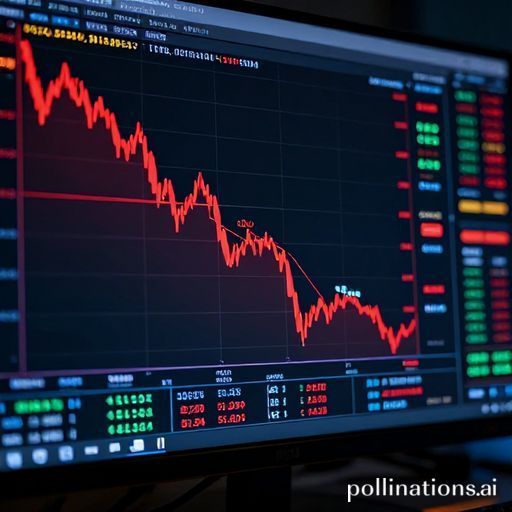
A March 21, 2025 crypto futures liquidation episode forced about $148.92M in position closures, with Bitcoin leading in volume, Ethereum showing balanced liquidations, and Solana revealing extreme long-side concentration. The event highlights exchange risk mechanics, funding rate dynamics and the ongoing need for robust margin management.
Company BitcoinWorld reports a major liquidation event on March 21, 2025, that forced roughly $148.92 million of positions to close across key digital assets. This episode underscores how concentrated leveraged long positions can amplify market stress and highlights distinct vulnerabilities across Bitcoin, Ethereum, and Solana. The imbalance in long versus short liquidations reveals where speculative risk clustered before the price correction.
The 24-hour liquidation snapshot shows Bitcoin with $82.12 million liquidated and 68.46% of those as long positions, while Ethereum reported $56.43 million in liquidations with 58.64% long exposure. Solana displayed the most pronounced long bias: $10.37 million liquidated and a staggering 93.35% of those were long positions. This distribution signals where traders had concentrated bullish leverage and where a downward shock most severely compressed margin buffers.
Perpetual futures, which allow continuous leveraged exposure and rely on funding rates to keep contract prices tethered to spot markets, are central to this event. When market moves run sharply against leveraged positions, exchanges automatically close accounts that fall below maintenance margin. These forced closures, known as liquidations, convert leveraged positions into marketable sell orders and can cascade into broader selling pressure if liquidity providers cannot immediately absorb the flow.
From a structural perspective, exchanges operate real-time risk engines that compute initial margin, maintenance margin and apply liquidation fees when automated closure is necessary. The role of funding rates and margin thresholds is crucial: tight funding rate cycles or compressed maintenance margins increase the odds that sharp moves will trigger clustered liquidations. Recent regulatory steps — notably new rules from Company Commodity Futures Trading Commission — have required U.S.-facing platforms to strengthen their risk controls, which likely tempered the scale of these liquidations compared with multi-billion-dollar unwinds seen in prior cycles.
Market technicians and institutional desks highlighted contrasting liquidation patterns across assets. Bitcoin's largest absolute liquidation volume reflects its dominant market depth and trading activity. Ethereum showed a more balanced long/short split, suggesting diverse positioning. Solana, by contrast, evidenced concentrated bullish exposure that was particularly vulnerable to a downside impulse. Traders monitoring these signals should pay attention to order book depth, open interest clusters, funding rate trends and exchange-specific margin mechanics as potential contrarian indicators.
Behaviorally, liquidation clusters often depress bullish sentiment while creating potential inflection zones. Metrics like the Crypto Fear & Greed Index tend to spike during these episodes, reflecting heightened fear and widening bid-ask spreads as liquidity providers adjust. Experienced traders sometimes view extreme liquidation events as opportunities for mean-reversion plays, but doing so requires strict risk controls and awareness of post-liquidation liquidity conditions.
Historically, derivatives markets have evolved. Early crypto cycles produced billion-dollar liquidation days; improved exchange risk systems, wider institutional participation and trader education have reduced frequency and systemic risk. Still, crypto's 24/7 trading model allows leverage to accumulate continuously, making robust margin management essential for all participants.
In conclusion, the roughly $149 million liquidation event is a reminder that concentrated long leverage remains a core vulnerability during corrections. Traders should maintain adequate margin buffers, monitor funding rate signals, and follow exchange risk disclosures. For further context and raw data, see the original report from Company BitcoinWorld and regulatory guidance from Company Commodity Futures Trading Commission.
Click to trade with discounted fees